At Home Golf Training Setup: Best Budget Gear for Everyday Golfers
Build the ultimate at-home golf training setup with the best nets, mats, launch monitors, and putting aids. Improve your swing and lower your scores from home.
PRODUCT REVIEWTRAINING
4/7/20269 min read

Introduction to At-Home Golf Training
In recent years, at-home golf training setups have become increasingly popular among golfers of all skill levels. This trend has been driven by the growing recognition of the advantages associated with practicing in the comfort of one’s own home. For many, the idea of creating a dedicated space for golf training has transformed the way they approach practice, ultimately leading to improved performance on the course.
One of the most significant benefits of at-home golf training is convenience. Golfers can practice whenever they have free time, eliminating the need to travel to a golf course or range. This flexibility allows for more frequent practice sessions, which can lead to faster improvement. Additionally, at-home training removes the pressure often felt on public courses, where golfers might worry about the judgment of others. Practicing at home encourages a more relaxed environment, enabling players to focus on their techniques.
Cost-effectiveness is another advantage of building an at-home golf training setup. Golf can be an expensive sport, with costs related to course fees, equipment, and travel. By investing in a few essential training tools and utilizing space at home, golfers can significantly reduce expenditures while still maintaining a disciplined practice routine. Common training aids such as putting mats, nets, and swing trainers can provide effective practice opportunities without the high costs of regular course visits.
Moreover, at-home training allows golfers to concentrate on specific areas of their game that require attention. For instance, a player might choose to work diligently on their putting skills one day and their swing mechanics the next, tailoring their training sessions to their unique needs. This level of customization can lead to targeted improvement, enhancing overall performance.
Essential Equipment for Your Golf Practice Space
Creating an effective at-home golf training setup requires careful selection of essential equipment that can significantly enhance your practice sessions. The first and foremost piece of equipment is a quality golf net. This item allows you to practice your shots without the concern of stray balls, enabling you to focus on your swing mechanics. Quick-setup prototypes designed for home use are widely available online, and many can be stored easily when not in use.
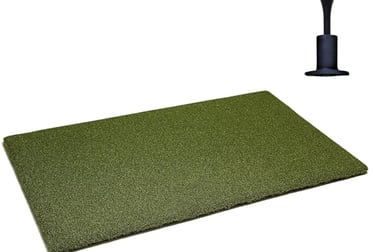
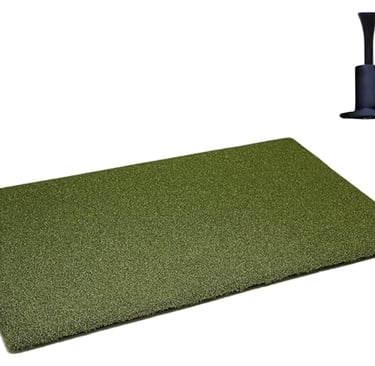
A realistic hitting mat is also crucial for simulating the feel of a natural golf course. Look for a mat that mimics the texture and feedback of real grass, helping you to maintain the proper stance and foot positioning. Mats come in various sizes and material types, so it is advisable to consider your available space and budget when making a selection.
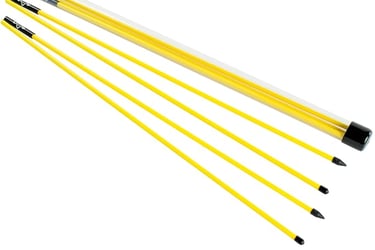
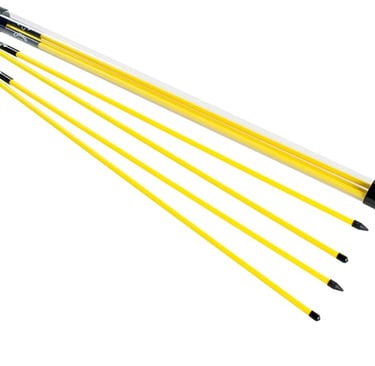
Incorporating alignment sticks into your training aids is another way to improve your golf game. These sticks help golfers ensure proper alignment of their body and clubface during practice. You can use homemade options such as broomsticks, or purchase specialized training aids that offer increased durability and visibility.
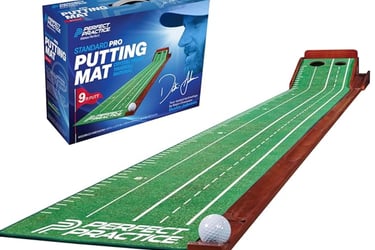
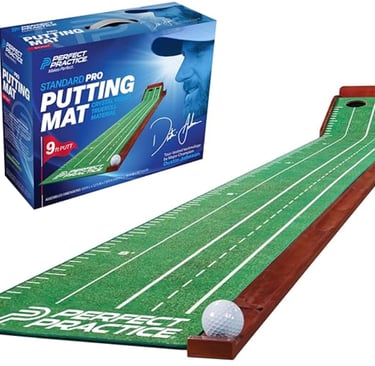
Finally, a putting mat can significantly improve your short game from the comfort of your home. Look for mats that feature marked hole placements or slope variations to develop your putting skills effectively. Many online retailers offer mats that replicate the grain of real greens, which helps build the feel necessary to make successful putts in real-course situations.
By carefully considering these essential pieces of equipment, you can create a functional and effective at-home golf training space that supports your improvement and enjoyment of the game.
TeeHaus Recommendations:
1. ) Golf Net: Your Practice Foundation - A golf net is the backbone of your at-home setup. It allows you to take full swings without worrying about where the ball goes.
Top Picks:
Why it matters:
If you can’t swing freely, you won’t practice enough. A net removes that barrier instantly.
2. ) Hitting Mat (Protect Your Game + Your Body) - Never hit directly off hard ground—it can lead to injuries and bad habits.
Top Picks:
Why it matters:
A good mat simulates real turf and gives you proper feedback on your strikes.
3. ) Alignment Sticks (The Most Underrated Tool) - Alignment is one of the biggest issues for amateur golfers—and one of the easiest to fix.
Top Picks:
Why it matters:
These help you fix:
Aim
Ball position
Swing path
All for under $30.
4. ) Putting Mat (Where Scores Are Made)- If you want to lower your scores fast, start here.
Top Picks:
Why it matters:
Most strokes are lost on the green—not the tee box.
Setting Up Your Space: Garage or Backyard?
When it comes to creating an effective at-home golf training setup, selecting the right location is crucial for optimizing practice sessions. The two most popular options are a garage or a backyard, each offering unique advantages and challenges. Evaluating these can help you make an informed decision.
A garage may provide the benefit of shelter from weather conditions, allowing for uninterrupted practice regardless of rain or shine. This controlled environment can also extend your training hours, as indoor lighting can be adjusted for visibility. However, one must consider space limitations, as most garages are not expansive, potentially restricting the swing range. Furthermore, setting up equipment such as nets and mats may require additional considerations like ventilation and safety protocols to prevent damage to the property or injury.
On the other hand, a backyard setup often allows for more freedom and space to simulate a true golfing experience. With open air and natural lighting, practice in the backyard can enhance your overall game by replicating typical course conditions. In addition, you may incorporate elements such as putting greens or chipping areas if space permits. That said, safety and neighborhood considerations are paramount; ensuring that golf balls do not stray into neighboring properties or pose a risk to pets and children is essential.
In terms of accessibility, both locations should offer ease of use. Having your practice space easily accessible encourages frequent use, reinforcing muscle memory and improving skills. Toward this end, optimizing the area with proper lighting and organizing equipment can greatly enhance your training routine. Ultimately, the choice between a garage or backyard hinges on personal preferences and the unique features of your living situation, so consider the pros and cons carefully before setting up your training area.
Improving Swing Consistency with Your Setup
Creating a dedicated at-home golf training setup is an essential step towards enhancing swing consistency. By establishing a routine that targets specific aspects of your swing, you can achieve a more reliable performance on the course. One effective way to improve consistency is through the use of alignment sticks. These tools can be placed on the ground to help you align your body and club correctly before each swing. Proper alignment not only fosters muscle memory but also visually reinforces good technique.
To further develop your swing consistency, incorporating a series of drills into your practice routine is crucial. For instance, practicing short, controlled swings can help you focus on your mechanics without the distraction of distance. As you become comfortable, gradually increase the length of your swings while maintaining the principles you’ve practiced. Additionally, utilizing various drills that target key aspects of your swing—such as tempo, follow-through, and wrist hinge—can further solidify your technique.
Feedback plays an important role in measuring your improvement and ensuring adherence to the correct techniques. Utilize a mirror or record your swings with a camera to critically assess your form and make necessary adjustments. Additionally, consider using swing analysis apps that provide instant feedback on your performance metrics. By integrating this feedback into your practice sessions, you can gain insights into areas that require attention, allowing you to focus your training efforts efficiently.
In summary, improving swing consistency through your at-home golf training setup involves a thoughtful combination of alignment tools, dedicated practice routines, and effective feedback mechanisms. By fostering a disciplined approach to your training, you can develop a consistent swing that translates effectively to the golf course.
Perfecting Your Putting Game at Home
Enhancing your putting skills is essential for lowering your overall golf score, and an at-home putting setup can provide the ideal environment for focused practice. A quality putting mat is one of the essential tools for creating an effective training space. These mats replicate the feel of a real green and allow golfers to roll putts from the comfort of their homes. Selecting a mat that comes with markings for distance and alignment can aid in developing your distance control and aim.
To begin perfecting your putting game, establish a regular training routine that incorporates a variety of drills. For instance, the “gate drill” is highly effective; it involves placing two tees slightly wider than your putter head to ensure a straight stroke. Practicing this drill helps you internalize the proper path of your putter. Furthermore, incorporating distance control drills can significantly enhance your feel on longer putts. Setting targets at specific distances will challenge your precision, enabling you to develop a consistent stroke no matter how far the hole is.
Good posture plays a crucial role in effective putting. Ensure your feet are shoulder-width apart, and your weight is evenly distributed on your feet. A slight bend in the knees and a relaxed stance will not only help maintain balance but also facilitate a smoother stroke. Additionally, maintaining a consistent grip and looking at the ball with focus can improve accuracy. To further measure your success in practicing putting, consider keeping a practice log where you can record the number of successful putts from varying distances and track your progress over time.
Enhancing Your Setup with Technology: Optional Launch Monitors
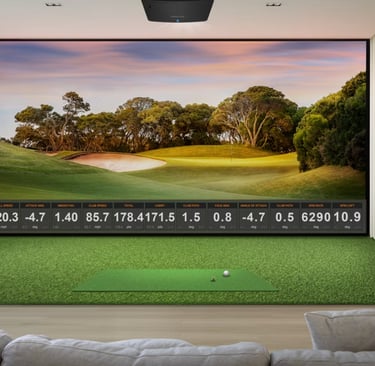
Incorporating technology into your at-home golf training setup can significantly enhance your practice sessions and overall understanding of your game. One such valuable tool is the launch monitor, a device that tracks data related to your swing and ball flight, providing crucial feedback for improvement. Optional launch monitors like the Garmin Approach R10 have gained popularity among golfers seeking to elevate their skills in a home environment.
Launch monitors serve multiple purposes, offering insights into key metrics such as swing speed, ball speed, launch angle, and shot accuracy. These devices utilize radar or camera technology to analyze various aspects of your shots, enabling you to identify specific areas of your game that require attention. For instance, by understanding your swing speed, you can make tailored adjustments to reach optimal performance levels.
The Garmin Approach R10, in particular, stands out for its ease of use and affordability. This compact device provides instant feedback, which is vital for golfers attempting to refine their techniques without the assistance of a coach. Another notable feature is its ability to generate reports and track progress over time, helping you to monitor improvements and set new goals as you advance in your training.
Additionally, the data obtained from launch monitors can facilitate better decision-making on the course. By understanding how different factors influence your performance, such as the type of club you are using or the angle of your swing, you can make informed choices that enhance your on-course strategy. Thus, integrating optional launch monitors into your at-home training regimen can lead to more productive practice sessions and a deeper understanding of your game.
Conclusion: How Consistent Practice Can Lower Your Scores
Establishing an at-home golf training setup offers numerous advantages for golfers aiming to enhance their skills and performance. By creating a dedicated space for practice, golfers can engage in focused training routines that directly translate to improved play on the course. Whether it involves putting, chipping, or full swings, the consistent repetition of these fundamental skills in a familiar environment fosters muscle memory and confidence.
The convenience of practicing at home means that golfers can incorporate training into their daily routines without the time restrictions often associated with traditional golf courses or driving ranges. This flexibility allows individuals to practice more frequently, reinforcing their skills over time. Furthermore, having access to various training aids and equipment allows players to experiment with different techniques and strategies, ultimately leading to a more customized approach to their golf game.
The measurable benefits of dedicated practice are evident; golfers who commit to a structured training regimen often see improvements in their scores. Consistent practice not only enhances technical skills but also boosts mental acuity, enabling players to make better decisions during competitive play. As golfers refine their abilities in their at-home setups, they develop the confidence necessary to tackle various challenges on the course.
In light of these benefits, it is encouraged for golfers to take the initial steps in crafting their own at-home golf training facilities. By prioritizing consistent practice and utilizing available resources, players can pave the way for tangible improvements in their game. Reduced scores are not solely the product of talent but rather the result of dedication and effort, both of which can be cultivated through an effective training setup at home.