
The Ultimate Guide to Choosing the Right Putter for Your Game
Choosing the ultimate putter comes down to finding what fits your stroke, your eye, and your confidence on the greens. Whether you prefer the clean look of a blade or the forgiveness of a mallet, the right putter should help you line up easily and roll the ball consistently. Pay attention to feel, alignment aids, and weight balance—because when a putter feels right in your hands, it shows in your results. The best putter isn’t the most expensive one… it’s the one that helps you make more putts and eliminate costly three-putts.
PRODUCT REVIEW
4/8/20268 min read
Understanding the Importance of a Putter
The putter is an essential club in a golfer's bag, playing a pivotal role in the overall performance of the game. Unlike other clubs that focus on distance and power, the putter is specifically designed for precision. It is the instrument that determines how successfully a golfer can sink a ball into the hole on the green. A well-chosen putter can significantly improve a player's accuracy, influencing the game at its most critical moments.
Each golfer has their unique putting style and preferences, which should guide the selection of a putter. Some players may prefer a blade putter, known for its traditional design and slim profile, while others might find mallet putters more suited to their stroke, offering greater stability and forgiveness on off-center hits. A putter's weight, balance, and length should also align with one's personal comfort and grip style; this customization is key to enhancing confidence during play.
The relationship between a golfer and their putter can be deeply personal, and it is essential to consider how the physical features of a putter influence performance. For instance, a heavier putter may aid in smoother strokes over longer distances, while a lighter putter could provide better control for short, delicate putts. Moreover, the grip style and material can play a significant role, as psychological comfort often translates into greater focus and better execution on the greens.
Ultimately, investing time in understanding the various options available and their impact on putting performance can lead to crucial improvements in a golfer's game. By selecting a putter that fits one's unique style and preferences, players can expect to see a reduction in strokes, enhancing their overall experience on the course.
Types of Putters: An Overview
When it comes to selecting the right putter, golfers are often presented with a variety of options, the most prominent being mallet and blade putters. Understanding the distinctions between these designs is imperative for golfers looking to enhance their game.
Blade putters are characterized by their traditional design, featuring a narrow hitting surface and a lightweight construction. This type of putter typically offers greater feedback on the strike, allowing golfers to develop a better feel for their putts. Blade putters tend to suit players with a straight or slight arc putting stroke and are often preferred by those who value precision and control. However, they can be more forgiving for players who struggle with alignment and consistency.
On the other hand, mallet putters boast a larger, more forgiving head, which can be beneficial for golfers seeking increased stability and a larger moment of inertia. Their design allows for greater alignment aids, helping players to position their putts more accurately. This type can often accommodate a more varied putting stroke, making it a preferred choice for golfers who require additional forgiveness on off-center strikes. However, mallet putters may lack the delicate feel that some golfers desire.
Ultimately, the choice between a mallet and a blade putter depends on individual playing style, stroke mechanics, and personal preferences. A player who favors a traditional, controlled approach might gravitate toward a blade, whilst someone seeking forgiveness and alignment aids may find a mallet showcases better performance. As such, it is worthwhile for players to test both styles to determine which putter best complements their game.
Top Picks for Beginners: Finding Forgiveness and Confidence
Selecting the right putter as a beginner can significantly impact your confidence and skill development on the greens. The ideal putter should offer forgiveness, a larger sweet spot, and a user-friendly design, which collectively help to enhance your initial golfing experience.
One noteworthy option for beginners is the Odyssey White Hot Pro 2.0. This putter features a unique insert technology that promotes a soft feel and consistent roll. Its larger sweet spot is particularly beneficial for novice golfers who may not consistently strike the ball in the center of the clubface. Additionally, the weight distribution facilitates better stability during the stroke, allowing beginners to focus on their technique rather than worrying about missed hits.
Another excellent choice is the Ping Sigma 2 Anser, known for its innovative adjustable length feature. This adaptability allows beginners to quickly adjust the putter to fit their stance, ensuring comfort and consistency. The responsive feel and significant forgiveness offered by the club also encourage users to develop their putting skills while minimizing frustration stemming from poor shots.
For those seeking a more modern design, the TaylorMade Spider Mini is a strong contender. Its mallet-style shape contributes to easy alignment and stability throughout the putting stroke. Its larger head design also helps create a larger sweet spot, granting forgiveness on off-center hits. Moreover, its distinctive aesthetics can boost a beginner’s confidence as they navigate their golfing journey.
In conclusion, choosing the right putter is essential for beginners aiming to enhance their skills on the greens. Focusing on options such as the Odyssey White Hot Pro 2.0, Ping Sigma 2 Anser, and TaylorMade Spider Mini can help instill confidence and promote a more enjoyable golfing experience.
Best Putters for Experienced Players: Precision and Feel
For seasoned golfers, the choice of a putter extends beyond mere aesthetics; it encapsulates a quest for precision and unparalleled feel. When selecting a putter, experienced players often gravitate towards those that offer optimal weight distribution, exquisite craftsmanship, and advanced feedback mechanisms. These elements play a crucial role in enhancing the overall putting experience and, ultimately, the performance on the green.
Weight distribution significantly influences the putter’s balance and stroke consistency. A well-balanced putter allows for smoother strokes, helping golfers maintain control and accuracy during their putts. Experienced players typically prefer putters that feature a heavier head, as they provide stability and pivotal feedback at impact. This stability is essential for those who have developed a keen sensitivity to the nuances of their strokes.
Craftsmanship is another vital aspect that seasoned golfers prioritize. Premium putters are often manufactured with high-quality materials, demonstrating exceptional design and engineering that uphold stringent performance standards. The materials used can affect not just durability, but also the putter's sense of feedback, which allows advanced players to gauge how well they have struck the ball. Knowing that they are using a finely crafted tool can increase their confidence as they stand over crucial putts.
Finally, feedback mechanisms, such as insert technology or alignment aids, empower experienced golfers to refine their technique further. Advanced putters often utilize sophisticated designs that help players better interpret the feedback received during their strokes. By providing a tangible connection between the golfer and the ball, these mechanisms enhance the ability to adjust and perfect one’s putting style.
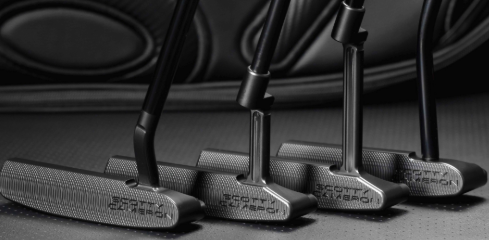
The Scotty Cameron Studio Style Newport 2 Putter is a premium, tour-inspired blade designed for golfers who value precision, feel, and a clean, classic look at address. Built from 303 stainless steel, it features a soft Studio Carbon Steel (SCS) face insert combined with chain-link face milling, which helps deliver a softer sound while promoting consistent roll off the face. With its iconic squared-off Newport 2 shape, plumber’s neck hosel, and medium toe flow, this putter naturally suits players with a slight arc in their stroke and offers excellent feedback on every putt. The adjustable sole weights and refined balance enhance stability and distance control, while the minimalist alignment design keeps your focus on the target line. Overall, the Studio Style Newport 2 blends timeless craftsmanship with modern performance, making it a go-to choice for golfers looking to improve consistency and confidence on the greens.
Examining Key Features: What to Look for in a Putter
When selecting the right putter for your game, there are several crucial features to consider that can significantly impact your performance on the green. Understanding the importance of alignment aids, face inserts, and weight distribution can help you make an informed decision.
Firstly, alignment aids are designed to assist golfers in positioning their putter accurately towards the target line. These aids can be in the form of lines, dots, or contrasting colors that enhance visibility. Well-designed alignment aids can lead to more consistent setups and improved accuracy, which is crucial for sinking those crucial putts.
Next, face inserts play a critical role in ball control and feel. Different materials and designs can influence how the ball interacts with the putter face at impact. For example, softer inserts may provide a better tactile feedback, enhancing feel and control, while firmer surfaces might offer a lower spin rate, contributing to a smoother roll. It is essential to find a face insert that complements your playing style and provides the desired feedback for improved performance.
Weight distribution is another pivotal characteristic of a putter that affects stability and stroke mechanics. A well-balanced putter will help maintain a consistent stroke by reducing the likelihood of unintended twisting during the swing. Many modern putters feature adjustable weights that allow players to fine-tune the club’s balance to match their individual preferences and playing conditions.
In conclusion, when evaluating putters based on alignment aids, face inserts, and weight distribution, golfers can better understand how these features affect their putting stroke. By carefully considering these attributes, players can enhance their performance and overall enjoyment of the game.
Game-Improvement Putters: Consistency and Performance
In the realm of golf, a significant number of players seek to enhance their game through the use of game-improvement putters. These specialized clubs are designed with the aim of providing greater consistency and overall performance on the green, especially for those who may not necessarily aspire to compete at a tour-level caliber.
Game-improvement putters often incorporate advanced technologies and designs that cater to a wide range of golfers. One of the hallmark features of these putters is a larger clubhead, which increases the moment of inertia (MOI). This engineering allows for more forgiveness on off-center strikes, helping players maintain accuracy even when the ball is struck away from the sweet spot. Such designs significantly reduce the chances of three-putts, a common frustration faced on the greens.
Another common technology found in game-improvement putters is the use of alignment aids that help golfers visually orient themselves. These aids can vary from simple lines to more complex sightlines integrated into the putter’s design. By enhancing visual alignment, players can better focus on their target line, thus improving their chances of sinking putts successfully.
Additionally, the weight distribution in these putters is often optimized to promote a consistent stroke. A balanced putter not only feels stable in the player’s hands but also encourages a smooth, fluid motion, further aiding in achieving lower scores. The grip design can also play a significant role; many game-improvement putters feature larger grips that can reduce wrist action, promoting a steadier stroke.
Ultimately, game-improvement putters represent an excellent choice for golfers looking to enhance their performance on the greens. With a focus on consistency and tailored features, these putters are designed to help players minimize errors and elevate their overall game.
Conclusion: Choosing the Perfect Putter for Your Game
In the pursuit of improving one's golf game, selecting the right putter is a decision that deserves careful consideration. With a myriad of styles, weights, and designs available, finding a putter that aligns with an individual's skill level and preferences can greatly influence a golfer's overall performance on the green. The importance of this choice cannot be overstated, as a well-suited putter serves as an extension of a player’s intent and skill.
When deciding on the appropriate putter, it is essential to reflect on personal comfort and playing style. For instance, new golfers may benefit from a more forgiving model that aids in achieving consistent strokes. Meanwhile, experienced players might seek options that offer greater precision and customizable features to sharpen their game. Evaluating factors such as grip size, shaft length, and head design will enable players to identify the optimal fit.
In addition to functionality, visual appeal can also play a role in the decision-making process. Selecting a putter that captivates the golfer’s eye can enhance the mental aspect of the game, fostering confidence and focus during crucial putts. Personal preferences, such as color, brand loyalty, and aesthetics, should not be overlooked as they contribute significantly to overall satisfaction and enjoyment.
Ultimately, the journey to discover the perfect putter is unique for every golfer, intertwined with personal experience and preferences. By taking the time to assess skill levels, recognize individual styles, and explore various putter options available in the market, golfers can significantly enhance their performance and enjoyment on the course. The right putter is, indeed, a fundamental tool that supports not just the mechanics of the game, but also the joy it brings to those who play it.